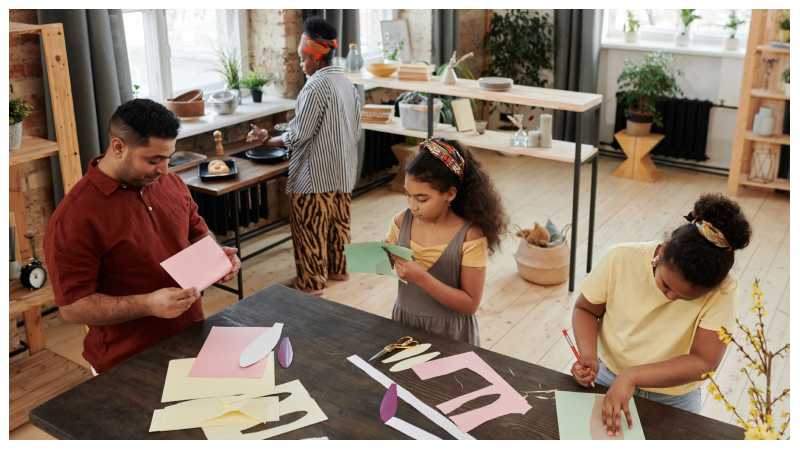
Finding enjoyable ways to spend time together can make ordinary family days feel more memorable. Children naturally enjoy discovering, creating, building, and experimenting, while parents often look for activities that are entertaining, practical, and easy to organize. activities brought to you by lookwhatmomfound lwmfcrafts offers inspiration for families who want to bring more creativity and hands-on fun into their daily routines.
Crafts and family activities do not need to be complicated or expensive. With everyday supplies, a little imagination, and some dedicated family time, parents can create experiences that encourage children to explore their creativity. From seasonal crafts and indoor games to outdoor projects and educational activities, there are countless ways to keep everyone involved.
Why Family Activities Matter
Family activities provide more than entertainment. They create opportunities for parents and children to communicate, cooperate, and enjoy time away from everyday responsibilities. A simple craft project can become a chance to talk, laugh, solve problems, and learn something new together.
Children can also develop useful skills through creative activities. Cutting, drawing, painting, building, sorting, and assembling can encourage coordination and concentration. Activities that involve planning and decision-making can help children practice problem-solving skills.
The most important thing is not creating a perfect finished product. The experience itself can be valuable. Allowing children to make their own choices and experiment with materials can make an activity more meaningful.
Exploring LWMFCrafts
activities brought to you by lookwhatmomfound lwmfcrafts can inspire families to turn free time into creative opportunities. The idea behind LWMFCrafts is simple: give families approachable ideas that encourage creativity and participation.
A good family craft can be adapted to different ages and abilities. Younger children may enjoy simple coloring, gluing, or decorating, while older children can take on more detailed designs. Parents can participate by preparing materials, demonstrating techniques, or creating their own projects alongside their children.
The goal is to make crafting enjoyable rather than stressful.
Easy Crafts Using Everyday Materials
You do not need a large collection of specialized craft supplies to begin. Many creative projects can be made with materials already available around the home.
Consider using items such as:
- Paper and cardboard
- Empty boxes
- Paper plates
- Recycled containers
- Crayons and markers
- Glue
- Scissors
- Fabric scraps
- Buttons
- Yarn
- Leaves and twigs
- Old magazines
Reusing household materials can make crafting more affordable while also introducing children to the idea of repurposing everyday objects.
For younger children, parents should choose age-appropriate materials and supervise activities involving scissors, glue, small objects, or other potentially unsafe items.
Seasonal Craft Ideas
Each season provides new opportunities for creative projects.
Spring can inspire flower crafts, nature collages, colorful decorations, and garden-related projects. Summer offers opportunities for outdoor painting, nature collections, sidewalk creativity, and simple water activities.
Autumn is ideal for leaf crafts, seasonal decorations, paper pumpkins, and nature-inspired artwork. Winter can bring opportunities for snow-themed projects, holiday decorations, paper crafts, and indoor creative activities.
Seasonal activities are particularly useful because they give children a way to connect creativity with the world around them.
Indoor Activities for Rainy Days
Rainy days can sometimes leave children wondering what to do. Instead of relying entirely on screens, parents can prepare a collection of simple indoor activities.
A craft station can be set up with paper, coloring materials, recycled boxes, and safe decorative supplies. Children can create greeting cards, imaginary houses, paper characters, or their own artwork.
Parents can also combine crafts with storytelling. After creating a character, ask children to invent a story about who the character is, where they live, and what adventure they might have.
This turns a simple craft into a creative writing and communication activity.
Outdoor Family Creativity
Creative activities do not have to remain indoors. Outdoor environments can provide excellent inspiration.
Children can collect fallen leaves, small sticks, or other appropriate natural materials and use them to create nature-inspired artwork. Families can also draw with sidewalk chalk, decorate outdoor spaces, create simple garden markers, or photograph interesting objects found during a walk.
Outdoor activities can combine movement with creativity. A family walk followed by a nature craft, for example, can provide both physical activity and hands-on exploration.
When collecting natural materials, families should avoid disturbing wildlife or removing protected plants and should follow local rules.
Educational Activities Through Crafts
Crafts can also support learning. Parents can use creative projects to introduce concepts such as numbers, letters, colors, shapes, nature, geography, and basic science.
For example, children can create alphabet cards, number collages, paper clocks, shape pictures, or simple models. Older children might create posters about animals, countries, planets, or historical subjects.
activities brought to you by lookwhatmomfound lwmfcrafts can be viewed as opportunities to combine learning and play. When children are actively involved in making something, they may find educational subjects more engaging.
The activity should still feel enjoyable. Learning does not always need to look like formal schoolwork.
Family Craft Nights
A regular family craft night can become a fun household tradition.
Choose one evening each week or month when everyone participates in a creative project. The activity could be based on a holiday, season, favorite movie, family celebration, or completely original idea.
Parents can prepare the materials beforehand and allow each family member to personalize their project.
You could also display finished creations around the home. Seeing their artwork displayed can give children a sense of accomplishment and encourage them to continue exploring creative activities.
Crafts That Encourage Imagination
Open-ended crafts are especially useful for encouraging imagination.
Instead of giving children a strict set of instructions, provide basic materials and ask them to create something of their choice. A cardboard box could become a spaceship, castle, shop, animal house, or robot.
There is no single correct answer.
This type of activity encourages children to make decisions, develop ideas, and express themselves. Parents can support the process by asking questions rather than controlling the outcome.
Questions such as “What are you making?” or “What could we add to this?” can encourage children to explain and expand their ideas.
Activities for Different Age Groups
Families often include children of different ages, so activities may need to be adjusted.
Toddlers and preschoolers may enjoy simple sensory and coloring activities. Young school-age children might enjoy cutting, painting, building, and simple science crafts. Older children can participate in more detailed projects involving planning, measuring, designing, or construction.
A family activity can often be modified so everyone has a role.
For example, younger children might decorate materials while older children help assemble the project. Parents can handle more complicated steps when necessary.
The objective is participation rather than making every project identical.
Creating a Simple Craft Corner
Having a dedicated craft area can make creative activities easier to organize.
You do not need an entire room. A small table, shelf, basket, or storage container can work well.
Keep frequently used supplies together and label containers when appropriate. Basic supplies such as paper, crayons, markers, glue, and safe scissors can be stored where children can access them under suitable supervision.
Keeping supplies organized also makes cleanup easier.
A simple system can encourage children to take responsibility for putting materials away after finishing a project.
Making Cleanup Part of the Activity
Cleanup does not have to become a battle.
Before beginning a project, explain where supplies belong and what needs to be cleaned afterward. Children can participate by sorting materials, throwing away scraps, wiping the table, and returning supplies to their containers.
Turning cleanup into part of the routine teaches responsibility while making the next activity easier to start.
Using washable materials and covering work surfaces can also make cleanup more manageable.
Combining Crafts With Family Celebrations
Birthdays, holidays, family reunions, and other celebrations provide natural opportunities for crafts.
Children can make decorations, cards, banners, gift tags, table decorations, or personalized gifts.
Handmade items can also become meaningful keepsakes. A simple card created by a child may have more sentimental value to a family member than something purchased from a store.
Creative activities can therefore become part of family traditions.
Budget-Friendly Creativity
One of the best things about crafting is that it does not have to cost a lot.
Families can reuse packaging, paper bags, cardboard, newspapers, and other clean household materials. Shopping for supplies in larger quantities may also be useful for families who craft regularly.
Before purchasing new materials, look around the house for items that could be safely repurposed.
Budget-friendly crafting can also teach children that creativity comes from imagination rather than expensive products.
Encouraging Children Without Pressure
Parents should remember that every child has different interests and creative abilities.
Some children may love painting, while others prefer building, drawing, storytelling, or outdoor activities. Give children opportunities to choose projects that interest them.
Avoid comparing one child’s finished project with another’s. Encourage effort, experimentation, and originality instead.
A supportive environment can help children feel comfortable trying new things without worrying about making mistakes.
Turning Activities Into Memories
The finished craft is only one part of the experience. Taking photographs, keeping selected projects in a memory box, or displaying artwork can help preserve family moments.
Parents can also write the date and child’s age on special creations. Years later, these small details can make old projects even more meaningful.
A simple afternoon spent making paper crafts may become a cherished family memory.
Safety Comes First
Safety should always be considered when planning family activities.
Choose materials appropriate for each child’s age and ability. Supervise children when using scissors, hot glue, craft knives, small pieces, paints, or other supplies that may present risks.
Make sure craft materials are used according to their instructions. Outdoor activities should also take weather, location, clothing, and environmental conditions into account.
If an activity involves food, children should be supervised appropriately, particularly around hot surfaces, sharp kitchen tools, or potential allergens.
Final Thoughts
Creative family activities offer an easy way to make everyday life more engaging. They can encourage imagination, support learning, build practical skills, and create opportunities for parents and children to spend meaningful time together.
activities brought to you by lookwhatmomfound lwmfcrafts highlights the idea that family creativity can be simple, affordable, and enjoyable. You do not need professional artistic skills or expensive supplies to get started. A few basic materials and an open mind can be enough.
Whether you choose a seasonal craft, an educational project, an outdoor activity, or an imaginative creation, focus on enjoying the process. Let children experiment, make choices, and express their own ideas.
Most importantly, remember that family activities are about connection. The project may eventually be thrown away or stored in a box, but the time spent creating, talking, laughing, and learning together can become one of the most valuable parts of the experience.
With a little planning and plenty of imagination, families can discover new ways to turn ordinary days into opportunities for creativity and fun.