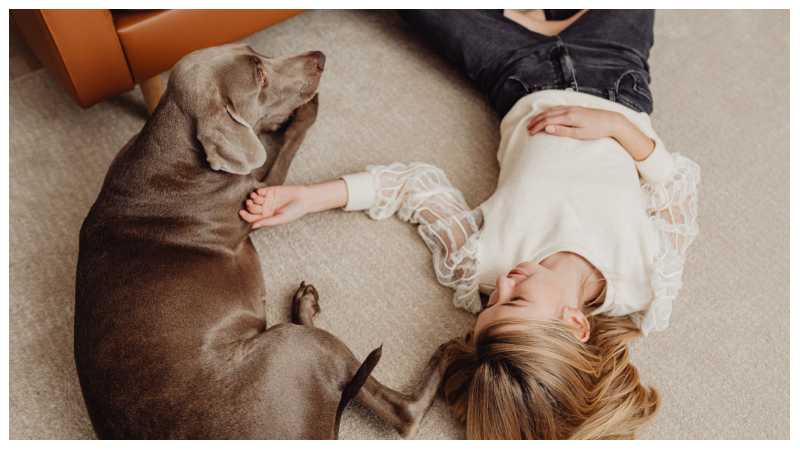
Pets bring companionship, happiness, and a special sense of connection to everyday family life. Whether you have a playful dog, an independent cat, a curious rabbit, or another beloved animal, responsible pet ownership requires patience, preparation, and consistent care. Understanding your pet’s needs can help create a safer and more comfortable environment for everyone in the household. pet guide lwmfpets from lookwhatmomfound offers a useful concept for families looking for practical ideas about pet care, daily routines, safety, nutrition, and building a stronger relationship with their animals.
Bringing a pet into your home is an exciting experience, but it is also a long-term responsibility. Every animal has different requirements depending on its species, age, personality, size, and lifestyle. Learning the basics before and after bringing a pet home can make the experience more rewarding and enjoyable.
Understanding Your Pet’s Basic Needs
Every pet needs certain essentials to live a healthy and comfortable life. These include appropriate food, clean water, a safe living environment, regular exercise or enrichment, hygiene, and attention from their owners.
Dogs may need regular walks and outdoor activities, while cats often benefit from climbing areas, scratching posts, toys, and opportunities to explore. Smaller pets may require specialized cages, bedding, food, and environmental conditions.
The first step toward responsible ownership is understanding what your particular animal needs. Instead of treating every pet in the same way, learn about its species and individual characteristics.
The pet guide lwmfpets from lookwhatmomfound approach can help families think about pet ownership as a complete responsibility rather than simply feeding an animal and providing shelter.
Choosing the Right Food
Nutrition is one of the most important parts of pet care. Animals need food that is appropriate for their species, age, size, and health requirements. Puppies and kittens, for example, have different nutritional needs from adult animals.
Pet owners should follow feeding recommendations provided by trusted veterinary professionals and reputable pet-food manufacturers. Portion sizes also matter because excessive feeding can contribute to unhealthy weight gain.
Treats can be useful for training and bonding, but they should generally remain a small part of a pet’s overall diet. Fresh, clean drinking water should also be available regularly.
Avoid giving pets foods that may be harmful to them. Human foods are not automatically safe for animals, and certain ingredients can cause serious problems. When you are unsure whether something is suitable, consult a veterinarian before offering it.
Creating a Safe Home Environment
A pet-friendly home should be comfortable and safe. Animals are naturally curious, so they may investigate objects, plants, cupboards, electrical cords, and other household items.
Pet owners should identify potential hazards before they become problems. Keep cleaning products, medications, chemicals, and other dangerous substances securely stored. Small objects that could be swallowed should also be kept away from pets.
Windows, balconies, gates, and doors may require additional attention depending on the animal. Dogs can sometimes escape through open gates, while cats may climb or squeeze into unexpected spaces.
A safe home allows pets to explore while reducing unnecessary risks. Creating a designated sleeping or resting area can also help an animal feel secure.
Exercise and Physical Activity
Regular physical activity is important for many pets. Dogs often need walks, games, and outdoor exploration. Cats can benefit from interactive toys and activities that encourage natural behaviors such as chasing, climbing, and jumping.
The amount of exercise required varies from one animal to another. Age, breed, size, health, and personality can all influence activity levels.
Exercise should be enjoyable rather than forced. Pet owners can introduce games that encourage movement while also strengthening the bond between themselves and their animals.
For families, daily activities with pets can become a positive routine. A walk with a dog can provide physical activity for both the animal and owner, while indoor play can give cats valuable stimulation.
Mental Stimulation Is Important Too
Physical exercise is only one part of a pet’s overall well-being. Animals also need mental stimulation. Boredom can sometimes contribute to unwanted behaviors, particularly when pets do not have enough opportunities to explore, play, or interact.
Interactive toys, puzzle feeders, training exercises, and new environments can provide useful mental challenges. Even simple games can encourage animals to think and use their natural abilities.
Training can also become a form of mental enrichment. Teaching a dog a new command or encouraging a cat to interact with a toy can make daily life more engaging.
Pet owners should pay attention to what their animals enjoy. Some pets may love toys and games, while others prefer quiet exploration or gentle interaction.
Regular Grooming and Hygiene
Grooming requirements vary considerably between pets. Some dogs need frequent brushing, while short-haired animals may require less maintenance. Cats generally groom themselves but can still benefit from occasional brushing.
Nails should be monitored, and pets should receive appropriate dental care. Ears and skin should also be checked regularly for unusual changes.
Grooming is not simply about appearance. It can help owners notice potential problems early. While brushing or handling a pet, you may notice changes such as unusual lumps, irritated skin, or other abnormalities.
If something appears unusual, professional veterinary advice is recommended. Regular grooming should always be gentle and appropriate for the animal.
Veterinary Care and Preventive Health
Routine veterinary care is an important part of responsible pet ownership. Regular checkups allow professionals to monitor an animal’s health and provide appropriate recommendations.
Vaccinations, parasite prevention, dental care, and other preventive measures may be necessary depending on the pet and its circumstances.
Owners should not wait for a serious problem before seeking professional advice. Changes in appetite, behavior, energy, weight, or bathroom habits may sometimes indicate that an animal needs attention.
Keeping veterinary records organized can also be helpful. A simple folder or digital record can contain vaccination information, medication details, previous appointments, and other important information.
Building a Strong Bond With Your Pet
A healthy relationship between a pet and its owner develops through consistency, patience, and positive interaction. Animals learn to trust people who treat them kindly and provide predictable routines.
Spend quality time with your pet every day. This does not always require elaborate activities. Sitting together, playing, grooming, training, or simply offering calm attention can strengthen your relationship.
Positive reinforcement can also be useful when teaching behaviors. Rewarding desirable actions can encourage pets to repeat them, while harsh treatment can create fear and stress.
The goal is to make your pet feel safe and understood. A strong bond benefits both the animal and the family.
Helping Children Learn Responsible Pet Care
Pets can teach children valuable lessons about responsibility, compassion, and patience. However, young children should not be expected to manage an animal’s needs independently.
Parents can involve children in age-appropriate tasks. For example, a child might help measure food, refill a water bowl under supervision, organize toys, or participate in gentle play.
Children should also learn how to approach animals respectfully. Pets need personal space, especially when eating, sleeping, or caring for young offspring.
Teaching children these boundaries helps reduce the possibility of accidental injuries and encourages respectful relationships with animals.
Preparing for Changes in Your Pet’s Life
Pets go through different stages as they grow. A young animal may require more training and supervision, while an older pet may need changes to its diet, exercise routine, sleeping arrangements, or veterinary care.
Owners should be prepared to adapt their routines as their pets age.
Senior animals may move more slowly or have different comfort requirements. Providing easy access to food, water, resting areas, and appropriate activities can make everyday life easier.
Understanding these changes helps families remain supportive throughout the entire life of their pets. The pet guide lwmfpets from lookwhatmomfound perspective can encourage owners to consider pet care as an ongoing journey that changes over time.
Traveling With Pets
Traveling requires additional preparation when an animal is part of the family. Before a trip, owners should consider transportation, accommodation, food, water, identification, medications, and emergency contacts.
Pets should be transported using appropriate safety equipment. Depending on the animal and method of transportation, this could include a secure carrier, crate, or other suitable restraint.
It is also important to check whether accommodations allow pets and whether there are additional requirements. Planning ahead can reduce stress for both the animal and the owner.
For longer journeys, regular breaks and access to water may be necessary. Owners should also avoid leaving animals unattended in situations where temperatures could become dangerous.
Recognizing When Your Pet Needs Attention
Knowing your pet’s normal behavior makes it easier to notice unusual changes. A sudden difference in eating, drinking, sleeping, movement, or social behavior may deserve attention.
Animals cannot explain how they feel in words, so owners need to observe them carefully. Signs such as persistent vomiting, difficulty breathing, severe lethargy, injury, or other concerning symptoms can require prompt veterinary attention.
Do not rely solely on online information when an animal appears seriously unwell. A qualified veterinarian can evaluate the situation and recommend appropriate care.
Making Pet Ownership a Family Experience
A pet can become an important part of family life. Shared routines such as feeding, walking, grooming, training, and playing can create memorable experiences.
Families can also use pet ownership as an opportunity to learn about animal behavior and responsible care. Children may develop greater empathy when they understand that animals have individual needs, feelings, and boundaries.
At the same time, adults remain responsible for ensuring that the pet receives proper care. Family participation should complement, rather than replace, responsible adult supervision.
Final Thoughts
Pet ownership is a rewarding experience that comes with important responsibilities. Providing nutritious food, clean water, a safe environment, regular activity, mental stimulation, grooming, preventive healthcare, and affection can help pets enjoy a better quality of life.
Every animal is unique, so owners should learn about their specific pet rather than depending on a single general routine. Professional veterinary guidance is especially important for health concerns, dietary questions, and major changes in behavior.
For families looking for practical inspiration, pet guide lwmfpets from lookwhatmomfound can represent a helpful direction for exploring everyday pet-care topics. With patience, preparation, and consistent attention, families can create an environment where their pets feel safe, loved, and comfortable.
Ultimately, caring for a pet is about more than meeting basic needs. It is about building trust, understanding individual behaviors, creating healthy routines, and making an animal feel like a valued member of the family. pet guide lwmfpets from lookwhatmomfound highlights the importance of approaching pet ownership with care, knowledge, and a genuine commitment to an animal’s well-being.