Finding useful ideas for family life can sometimes feel overwhelming. Parents often look for simple activities that keep children entertained, practical tips that make everyday routines easier, creative projects that encourage learning, and ideas that bring the whole family together. A family-focused resource can make this process much easier by collecting helpful inspiration in one convenient place. lookwhatmomfound represents this kind of family-oriented content, offering ideas that can support parents as they plan activities, explore crafts, discover new experiences, and make everyday family moments more enjoyable.
What Makes Family-Focused Content Useful?
Modern family life can be busy. Parents may have work responsibilities, household tasks, school schedules, appointments, and many other commitments. At the same time, children need opportunities to play, learn, explore, and express their creativity.
Family-focused content can provide practical inspiration without requiring complicated preparation. A useful activity does not always need expensive materials or hours of planning. Sometimes, a few household supplies, an interesting idea, and a little creativity are enough to create a memorable experience.
The value of resources such as lookwhatmomfound comes from presenting ideas that can be adapted to different families, ages, interests, and schedules. Parents can explore suggestions and then adjust them according to what works best for their children.
Creative Crafts for Children
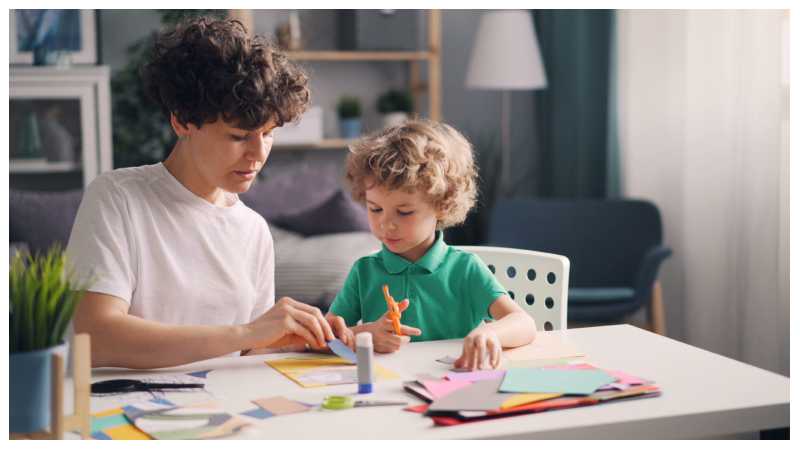
Crafts are a popular way for children to spend their free time productively. Drawing, painting, cutting, folding, gluing, decorating, and building can help children explore their creativity while developing practical skills.
Parents can introduce simple craft projects using materials already available at home. Paper, cardboard, crayons, colored pencils, washable paint, recycled containers, fabric pieces, and other everyday items can become the foundation for creative projects.
Crafting can also provide opportunities for children to make something personal. Instead of simply watching a screen, children can create decorations, cards, toys, artwork, or seasonal projects with their own hands.
Another benefit is flexibility. A single craft idea can often be changed to suit different age groups. Younger children may focus on basic coloring and assembling, while older children can work on more detailed designs and independent projects.
Educational Activities Through Play
Learning does not have to happen only through textbooks or formal lessons. Children can develop important skills through games, experiments, creative projects, and everyday activities.
Parents can use simple activities to encourage counting, sorting, matching, observation, problem-solving, and communication. For example, sorting household objects by size or color can become a basic learning exercise. Building with blocks can introduce concepts related to balance, structure, and planning.
Reading activities can also be combined with crafts. After reading a story, children might create drawings of their favorite characters or build something inspired by the story. This approach allows learning and creativity to work together naturally.
Resources associated with lookwhatmomfound can inspire parents to think about everyday activities as opportunities for discovery. The goal is not necessarily to turn every moment into a formal lesson, but to make learning enjoyable and accessible.
Indoor Activities for Busy Days
There are days when outdoor activities are not practical. Bad weather, busy schedules, limited outdoor space, or simple tiredness can keep families indoors. Having a collection of indoor activity ideas can therefore be extremely useful.
Indoor activities can include crafts, board games, puzzles, drawing challenges, storytelling, building projects, simple science experiments, and imaginative play. Many of these activities require little preparation.
Parents can create activity stations where children choose between several options. One area might contain art supplies, another could contain building materials, and another might have books or puzzles. This gives children a sense of independence while keeping activities organized.
The key is to choose activities that match children’s interests and abilities. An activity that is too difficult may cause frustration, while one that is too simple may quickly become boring. Parents can modify projects as needed to create an appropriate challenge.
Outdoor Family Activities
Outdoor activities provide children with opportunities to move, explore, and experience their surroundings. Families can visit parks, walk around their neighborhood, explore nature, play simple outdoor games, or organize small backyard activities.
Outdoor exploration can also become educational. Parents can encourage children to observe plants, look for different types of leaves, notice insects, or collect safe natural objects for a later craft project.
Physical play is another important part of outdoor time. Running games, ball activities, obstacle courses, and simple races can help children stay active while having fun.
Families do not always need to plan an elaborate trip. A short walk, a picnic, or an afternoon playing outside can create valuable family time.
Seasonal Crafts and Celebrations
Each season brings opportunities for creative family activities. Spring may inspire flower-themed crafts and nature projects, while summer can encourage outdoor games and colorful artwork. Autumn provides ideas involving leaves, harvest themes, and warm seasonal decorations. Winter can bring holiday crafts, paper decorations, indoor games, and creative gifts.
Seasonal projects are particularly useful because they give children something new to look forward to throughout the year. They can also become family traditions.
Parents can involve children in decorating the home, preparing handmade cards, creating simple gifts, or making seasonal artwork. These projects can help children understand celebrations while giving them an opportunity to contribute creatively.
With lookwhatmomfound, parents can think beyond traditional activities and find inspiration for projects that combine creativity, family participation, and seasonal experiences.
Activities That Build Important Skills
Many simple activities help children develop skills without making the experience feel like work. Cutting paper can improve coordination. Drawing can encourage creativity and hand control. Building projects can support planning and problem-solving. Sorting games can introduce organization and logical thinking.
Cooking with adult supervision can also provide learning opportunities. Children can practice measuring ingredients, following instructions, identifying different foods, and understanding basic kitchen processes.
Gardening is another useful family activity. Children can help plant seeds, water plants, observe growth, and learn about nature. These experiences encourage patience and responsibility.
The most effective activities are often those that allow children to participate actively rather than simply watch. Giving children small responsibilities can increase their confidence and encourage independence.
Family Time and Connection
One of the most important benefits of family activities is the opportunity to spend quality time together. In busy households, family members can easily become focused on separate schedules and responsibilities.
A shared project creates a reason to communicate and cooperate. Parents can ask children about their ideas, help them solve problems, and celebrate their finished projects.
Family activities do not need to be perfect. A craft might become messy, a game might not go according to plan, and a project might look different from the original idea. These moments can still become enjoyable memories.
The focus should be on participation and connection rather than perfection.
Making Activities Affordable
Family entertainment can sometimes become expensive, but many meaningful activities can be created with inexpensive or recycled materials. Cardboard boxes, paper bags, newspapers, empty containers, and other household items can become creative resources.
Parents can also rotate toys and supplies instead of buying new items frequently. Keeping some materials stored away and bringing them out later can make familiar supplies feel new again.
Libraries, parks, community spaces, and free local events may also provide opportunities for families to explore without spending much money.
This practical approach makes family activities more accessible and encourages creativity based on available resources rather than expensive products.
Tips for Choosing the Right Activity
When selecting an activity, parents can consider several factors. First, think about the child’s age and current abilities. Younger children may need simple instructions and close supervision, while older children may enjoy projects that allow greater independence.
Next, consider the amount of preparation required. A ten-minute activity may be better for a busy afternoon, while a larger project can be saved for a weekend.
Safety should always be considered, especially when activities involve scissors, small objects, heat, tools, or other potentially hazardous materials. Adult supervision should be provided whenever appropriate.
Finally, consider the child’s interests. A child who loves animals may enjoy nature projects, while a child who enjoys building may prefer construction activities. Matching activities to interests can make participation much more enjoyable.
Encouraging Creativity Instead of Perfection
Children benefit when adults allow them to experiment. A craft does not have to look exactly like a sample picture. If a child wants to use unusual colors, change the design, or combine different materials, that experimentation can be part of the creative process.
Parents can ask open-ended questions such as, “What do you think would happen if…?” or “How could we make this differently?” These questions encourage children to think independently.
Instead of correcting every detail, adults can focus on the child’s effort, ideas, and problem-solving process. This can create a positive environment where children feel comfortable trying new things.
Building a Collection of Family Ideas
Keeping a list of successful activities can help parents save time in the future. After completing a project, parents can note what materials were used, how long it took, and whether children enjoyed it.
Over time, this can become a personal collection of family activities for different situations. Parents might create categories for rainy days, weekends, holidays, educational projects, outdoor activities, and quick activities.
A resource such as lookwhatmomfound can serve as inspiration when parents need fresh ideas or want to explore different ways of keeping children engaged.
Conclusion
Family activities can provide much more than entertainment. Crafts, games, outdoor exploration, educational projects, and seasonal activities can encourage creativity, learning, communication, coordination, and problem-solving while giving families opportunities to spend meaningful time together.
The best activities do not necessarily require expensive materials or complicated preparation. Simple ideas can often become memorable experiences when children are encouraged to participate, experiment, and express themselves.
By exploring practical family-oriented ideas and adapting them to individual needs, parents can create enjoyable experiences throughout the year. lookwhatmomfound can be a useful source of inspiration for families looking for creative projects, activities, and everyday ideas that bring learning and fun together.
Ultimately, family time is about connection. Whether a family spends an afternoon making crafts, playing a game, exploring outdoors, or creating something from recycled materials, these shared experiences can become meaningful memories that children carry with them for years to come.